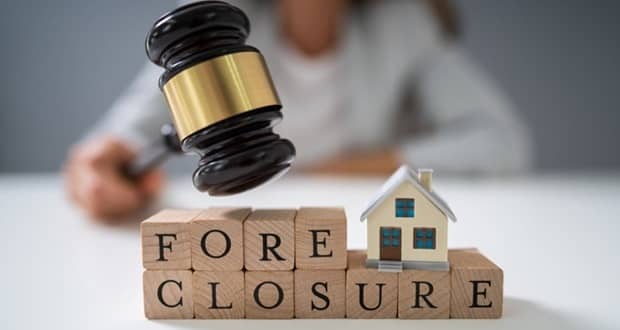
Dealing with Foreclosure can seem like a daunting experience. Not only can you feel overwhelmed by dealing with the legal process, but also having to pay your bills, receiving calls from your lender and the potential risk of losing your home can cause a lot of stress. However, having an understanding of how the process works will enable you to make informed decisions that can potentially help you avoid losing your property.
This article provides an insight into what Foreclosure is, why it happens and what can be done to avoid it. We’ll also look at what happens if your property is put into Foreclosure.
What Is Foreclosure?
Foreclosure is a legal process used by mortgage lenders to get their money back from a borrower who has stopped making payments on their loan. When you take out a mortgage, your home acts as security. If you fail to make payments your lender may have the right to repossess your property and put it up for sale.
Most lenders will look to pursue a number of actions before putting your property into Foreclosure. This may include sending reminders for late payments, contacting you over the phone and trying to reach an agreement with you to pay what you owe. It is all dependent on your mortgage terms and the laws in your state or country.
Foreclosure can have an impact on your credit, housing, taxes, borrowing rights and mental health. Acting quickly is often the best option to give you the best chance at improving your situation.
Common Reasons for Foreclosure
The most obvious reason a homeowner faces Foreclosure is because they have missed payments on their mortgage. However, there are a number of reasons as to why someone will miss their payments. For example, losing your job suddenly, a decrease in income, serious illness, divorce or unexpected costs for your family.
Some homeowners will fall behind on their payments due to an increase in costs from their adjustable rate mortgage. Others may have increased their debt, had an unexpected large repair bill or lost an income from a second person in the household.
Sometimes Foreclosure can be due to confusion. For example, if you think you have reached an agreement to make temporary payments but haven’t. Issues with administration, incorrect details on your account or issues with the servicing of your account can cause payment issues.
Whatever the reason, it is unlikely the issue will go away if ignored. Contact your mortgage servicer as soon as you realise you are having financial difficulties.
How Long Does Foreclosure Take?
While the timeframes vary, here is a general outline of the process:
You have missed a payment. Your lender may charge a late fee and contact you. However, it is unlikely you will face Foreclosure straight away. But you will be increasing your risk.
After missing multiple payments your loan will likely be classed as seriously in arrears. Your lender may send you formal letters outlining what you owe and that they could start legal action. This is often the best time to contact them for help and see what options are available.
If you continue to miss payments your lender may send you a notice of default or start legal action. This will depend on the laws in your area. Some areas use judicial Foreclosures meaning your lender would need to go to court. Whereas others allow non-judicial foreclosures meaning a Trustee or authorised party will handle the sale of your property.
Before your property is sold you may receive a notice of sale. This will usually include the date, time and place of the sale along with details of how much you owe to stop the sale. There can be tight deadlines so having professional legal advice may help.
Your property may then be sold at auction. If it doesn’t sell your lender may own the property and it will be listed as real estate owned (often referred to as REO).
Impact on your Credit
Having your property put into Foreclosure can have a big impact on your credit rating. As you have missed payments for a number of months, you may also have late payments on your credit report. Once you have a Foreclosure on your credit it can stay there for many years.
This may make it harder to get a mortgage, personal loan, credit card or rented accommodation. Some lenders may also want a larger deposit from you.
However, your credit can be improved. It will take some time but by keeping on top of your bills, paying off your debt, checking your credit reports for any inaccuracies and being responsible with new credit, things can improve.
Alternatives to Foreclosure
There are a number of alternatives to Foreclosure depending on your situation.
Loan Modification – This means your lender will modify your mortgage. They may lower your interest rate, increase the term of your loan or change the structure of your loan to make payments more affordable.
Repayment Plan – This enables you to pay off what you owe in stages. Part of what you owe will be added onto your monthly payments. This may be suitable for you if your financial difficulties were temporary.
Forbearance – This means your payments will be paused or reduced. However, you will usually still have to pay what you owe at a later date. Be sure you fully understand the agreement.
Short Sale – This means you sell your home for less than what you owe on your mortgage. With the lenders permission this can help you avoid Foreclosure. However, it can impact your credit and may have tax and legal implications.
Deed in Lieu – This means you hand over ownership of your home to the lender. This can be a simpler option but will have requirements.
Selling your home – If you have enough equity you may be able to sell your home to pay off your mortgage. Speak to a housing counsellor, solicitor or qualified real estate professional to see which option is best for you.
What to Do If You Are facing Foreclosure
Start by opening and reading all the letters you receive from your mortgage servicer. Many official letters will have important deadlines. Make sure you keep copies of everything including any correspondence, payment history, bank statements and agreements.
Contact your lender or servicer directly. Be clear about your situation and ask what options they have to help you avoid Foreclosure. Be wary of companies asking for large deposits, promising they can stop your Foreclosure or telling you to stop contacting your lender.
Create a realistic budget to help you understand your income, necessary expenses, debts and assets. This can help you decide if you need temporary help, a long-term reduction in payments or a plan to sell.
Housing Counsellors offering free or low cost advice may also help. If you receive any legal documents or think there has been an error from your lender contact a Foreclosure Solicitor. The sooner you contact someone the more options you will have.
After Foreclosure
Try to get your finances and housing back on track. Make sure you know when you need to vacate the property and if there are any laws in your area that mean you can stay there temporarily.
Check your credit reports and dispute any inaccuracies. Create an emergency fund, create a budget that is manageable and don’t take on any unaffordable debt. Renting may be the best option for you in the short-term. However, your landlord may ask for extra deposits or references.
While Foreclosure can be a serious financial situation, it doesn’t define your future. With careful planning, responsible credit and professional help when needed many people will get their finances back on track and qualify for homeownership.
Final Thoughts
Understanding what Foreclosure is will help you to deal with the situation. While it can be a complex process, acting quickly and communicating will often give you more options as a homeowner.
If you are struggling to pay your mortgage don’t ignore the issue. Check your documents, contact your lender, look into your options to avoid Foreclosure and seek advice from trusted professionals. Acting quickly may help you save your home, reduce the financial impact and create a more manageable situation.