
Taking out a home loan is often the biggest investment you will ever make. If you are falling behind on your mortgage payments it can be a daunting thing to think about. Understanding the home loan foreclosure process can help you feel more in control and understand the options available to you.
In short, a loan foreclosure is a legal process by which a lender seeks to recoup the money they are owed by taking control, and usually selling, the property that was put up as security. Although the exact legalities will depend on your country, state and loan, in general there are a few key stages.
Home Loan Foreclosure Explained
When you take out a home loan, the property will usually be used as security. If you fall behind on your repayments, the lender will have some legal rights to the property. Usually there will be a few steps to take before a foreclosure happens.
If you regularly fail to make your mortgage payments, the lender may ask you to pay the amount that you owe. If you continue to fail to meet the payments, they may ask for the whole loan balance to be paid. This is sometimes referred to as accelerating the loan.
Whilst a foreclosure can result in losing your home, there are often options to take to avoid it happening. Talking to your lender, modifying your loan, setting up a repayment plan, refinancing or selling the property could all be options.
Initial Mortgage Arrears
Often the first step in the loan foreclosure process is missing a mortgage payment. Whilst you may incur a late fee and receive a reminder from your lender, most lenders will give you some breathing space to make the payment. This is often known as a grace period.
If you don’t pay, your account could go into arrears. This means that you haven’t paid the required amount by the due date. If you miss multiple payments, your lender may begin contacting you more regularly. They could also send you formal letters.
It is important to act quickly at this point. Look through your loan documentation to see what you actually owe and contact your lender’s hardship or loss mitigation department. Let them know why you are struggling with payments and what options are available. Usually waiting for things to sort themselves will limit the options you have.
Foreclosure Notice
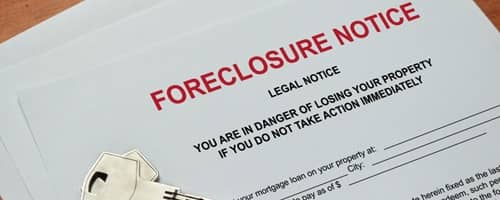
If you continue to miss payments your lender may send you a formal notice of default. This will usually tell you what you owe, when you need to make the payment by and what will happen if you don’t. It may also say that they intend to begin the foreclosure process.
At this point you will need to look at whether your foreclosure is judicial or non-judicial. In a judicial foreclosure the lender will begin legal proceedings against you. You will receive legal documents and will be able to respond. If the lender is found to have the right to begin a foreclosure, they may issue an order to sell the property.
In a non-judicial foreclosure the lender won’t usually take you to court. They will instead follow a process set out by your state law and mortgage. They may send you notices, a waiting period and then sell the property publicly. This is usually done by a trustee or other official.
As there can be very different rules around foreclosure, it is best to speak to a housing counsellor or qualified solicitor to understand exactly what applies to your property.
Foreclosure Sale
If you don’t resolve your arrears, your property may be put up for sale. Your lender will usually have to notify you of the sale date, time and location. They will also let you know how much you owe.
Your property will be put up for sale at auction. The lender may place a bid for the property. This is usually based on how much they are owed and any additional costs. If another bidder offers the highest qualifying bid they may purchase the property. If no one else purchases your home, the lender may take ownership. This is often known as real estate owned (REO).
Depending on where you live, you may be able to stop the foreclosure. Some areas will allow you to pay off your arrears to cure the default. This usually stops shortly before or at the sale date, so it is important to check when this deadline is.
After Foreclosure
You may be asked to vacate the property. The lender or new owner will usually have to follow a formal process to evict you. How long you have to move will depend on your local law.
A foreclosure can impact your credit history for a few years. There may not be enough money from the sale to cover the whole of your mortgage and any foreclosure costs. Any remaining debt is known as a deficiency. Depending on your local rules, type of loan and agreement, the lender may be able to claim a deficiency judgment.
There may also be tax implications. Debt that has been forgiven can sometimes be seen as taxable income. There are exceptions to this though. If the lender are agreeing to forgive a part of your debt or if the property is sold for less than what you owe, it is a good idea to get professional tax advice.
Options To Avoid Or Stop Foreclosure
Often the best time to get help is before you have any missed payments. Contact your lender as soon as you think you will have financial difficulties. Options may include:
Loan Modification – The lender could change the interest rate, increase the term or otherwise make changes to your loan to reduce your monthly payments.
Forbearance – You could reduce or suspend your payments. Usually you will have to pay the amount you missed at a later date.
Repayment Plan – The lender could allow you to pay your arrears in instalments over a few months.
Refinance – If you qualify, you could take out a new loan.
Short Sale – With your lender’s permission you could sell your property for less than what is left on your loan. The lender may agree to accept the sale price as full/partial payment.
Deed in Lieu – You give the lender ownership of your home. This can save some costs but may affect your credit and have other implications.
You could also try and sell your property. If it has enough value to pay off your loan and any costs, this could be an option. The earlier you start looking at this the more time you will have.
Avoid Foreclosure Scams
When you are in financial difficulties you could be more at risk of scams offering to help. Be wary of anyone promising to stop the foreclosure immediately, asking for large up front payments or telling you to stop talking to your lender. Don’t sign away ownership of any property without understanding the legal implications.
Qualified housing counsellors will usually explain what options you have available. Check that they are qualified and read through all paperwork carefully.
Final Thoughts
Usually a home loan foreclosure will happen over time. If you are missing payments, you may receive formal letters, legal action and the property could be sold. Knowing what is happening at each stage can help you make informed decisions.
If you are struggling to keep up with your mortgage payments, contact your lender as soon as possible. Keep a record of all conversations and seek advice from an approved housing counsellor, solicitor or financial professional. Although a foreclosure is a serious matter, acting quickly could allow you to explore options that will help you keep your finances, credit and possibly your home safe.