A Homeowners Association (HOA) is an extremely important part of shared communities. They can cover a wide variety of areas including managing the shared amenities in your neighbourhood. This can cause confusion as to what the HOA is responsible for.
Understanding your HOA’s responsibilities will help you get involved with your community, reduce any unnecessary arguments and will keep you informed when making decisions. It will also help HOA board members and managers know what their responsibilities are.
What is a Homeowners Association?
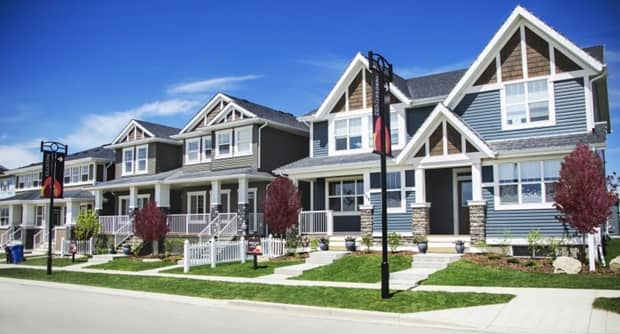
A Homeowners Association is an organisation set up to manage a residential area. They are very common in new developments, condos, townhomes and gated communities.
When purchasing a property in an HOA area, you will usually automatically become a member. You will have to agree to follow the HOA’s governing documents and pay regular fees. In return, the HOA will manage certain areas that would be shared between the residents including common areas and ensuring the community rules are followed.
Each HOA will have different responsibilities, however they are usually covered in the following documents;
Articles of Incorporation
Bylaws
Declaration of Covenants, Conditions & Restrictions
Rules & Regulations
Architectural Guidelines
HOA Board Responsibilities
The HOA board of directors will be responsible for making decisions for the community. These people are generally volunteers who are elected by the homeowners. Some HOA’s may decide to pay their directors.
The main job of the HOA board is to look after the community and provide long term value. They will have certain responsibilities such as;
Creating and approving the yearly budget
Deciding the amount of fees
Looking after the common areas
Managing contractors
Enforcing the governing documents
Managing the reserve funds
Reviewing architectural or change requests
Providing important information to the homeowners
Preparing for emergency situations or large repairs
The board should always act responsibly when making decisions. They shouldn’t make decisions to benefit themselves and should declare any potential conflicts of interest. Whilst they have the power to make decisions, they must still follow any relevant laws, governing documents and the correct processes.
HOA Officer Responsibilities
Often HOA’s will have certain responsibilities given to their officers. Whilst there can be different officer roles and names, the most common are;
President – Usually chairs HOA board meetings. They will be one of the main points of contact and will help organise the board to ensure things happen and decisions are put into action.
Vice President – Typically supports the President and will take over if they aren’t available. In some HOA’s they may manage a specific committee.
Secretary – Generally responsible for keeping records. This can include taking notes at meetings, managing notices, company records and taking notes of board decisions.
Treasurer – Manages the finances of the HOA. This can include keeping track of income and expenditure, looking at financial reports, creating budgets, managing audits and ensuring fees are paid correctly.
All HOA board members will have responsibilities to make informed decisions. The officers may have specific responsibilities but should all work together.
HOA Management Company
Many HOA’s will employ a professional HOA management company. This isn’t to replace the board but to work under their direction.
They may help manage the fees, answer questions from homeowners, organise repairs, get quotes from vendors, produce financial reports and help with organising meetings.
The board will still be responsible for making decisions on policies. For example they may suggest a landscaper but need to get approval for the contract. They may also help enforce the rules but must ensure it is done in line with the governing documents and local laws.
Having a positive relationship with your HOA management company is important. There should be clear expectations, regular communication and a written agreement. Homeowners should know who to speak to if they have any questions, whether that be directly to the management company, board member or specific committee.
Homeowner Responsibilities

One of the most important responsibilities a homeowner has is to pay their fees. This covers regular running costs, repairs, insurance, landscaping, utilities, amenities and long term savings.
Homeowners are generally expected to;
Pay their fees on time
Follow the community rules and restrictions
Look after the areas of their property they are responsible for
Get approval for any regulated external changes
Ensure their contact details are up to date
Attend meetings and vote when they can
Be respectful to the board members, staff and neighbours
Report any maintenance or safety issues quickly
There may be rules around parking, pets, noise, waste storage, external colours, rentals, landscaping and shared areas. Before carrying out any renovations, you should look over the governing documents.
Understanding Maintenance Responsibilities
One of the most confusing areas of living in an HOA is understanding who is responsible for the maintenance. In some communities the HOA will carry out maintenance on the roofs, external walls, roads, landscaping and plumbing. In others the homeowners will be responsible for almost everything on their property.
Your governing documents should outline who is responsible for any repairs. They may give details on what is considered limited common elements, common areas and areas of the home that are owned by just one person.
For example they may carry out repairs on a shared roof but expect homeowners to carry out repairs to damage on their ceilings. Or they may expect the homeowner to maintain their balcony even though it can be seen from the common areas.
If there is any damage, you should report this as soon as possible and ask for clarification. If you don’t carry out repairs or assume someone else is responsible it can lead to more costs and arguments.
How to Enforce HOA Rules
HOA rules are put in place to keep your property value, safe, looking nice and allow you to enjoy your community. However it should be enforced fairly.
Most HOA’s will enforce rules by providing a written notice, allowing the homeowner to respond, holding a hearing and fining them. The process may vary however, so you should read through the HOA’s policies carefully.
The HOA board shouldn’t enforce rules unfairly. If the same rules are broken they should generally be treated the same. Rules shouldn’t be favoured towards certain people. If you receive a notice for breaking the rules, be sure to read through it carefully and check the rule mentioned. If you think there has been a mistake, be respectful when communicating.
Communicating Effectively
A well communicated HOA is extremely important. The board should keep you informed of any meetings, budgets, large projects, rule changes and fees in a timely manner. As a homeowner you should try to stay informed rather than rely on rumours from your community or social media.
Attending HOA board meetings can help you understand how decisions are made. You can also get involved by volunteering for committees, running for the board, reviewing budgets and getting involved in community projects.
Whilst good communication won’t mean everyone agrees with decisions, it will ensure any concerns are raised and managed with facts, transparency and respect.
Why Understanding HOA Responsibilities is Important
The HOA will run most effectively if everyone understands their responsibilities. The board will manage and oversee, the officers will manage important admin tasks, the management company will manage any delegated tasks and the homeowners will follow the rules, pay their fees, look after their areas and get involved in decisions.
If you are unsure about what everyone’s responsibilities are it can cause small issues to become costly arguments. Not carrying out repairs, not understanding why you’ve been charged and rules being enforced unfairly can cause issues with trust between the community and HOA. Having clear governing documents, accurate records, clear communication and responsible leadership will help prevent many issues.
If you’re thinking of purchasing a home in an HOA community or currently own a home in one, take time to look through the HOA documents and financial information. Knowing how it works will help you protect your rights, understand your responsibilities and help create a better community.