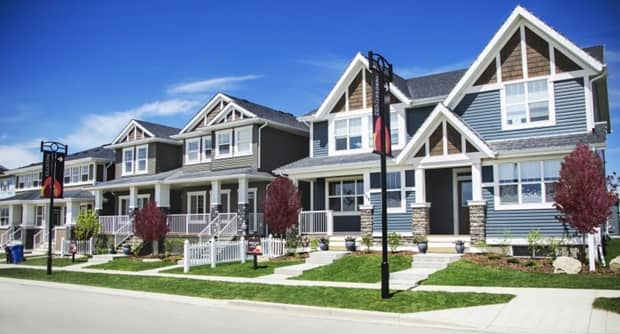
When purchasing a property you may also find that you become part of a Homeowners Association (commonly referred to as an HOA). These help to maintain communal areas, set standards and charge fees to property owners.
Whilst some homeowners enjoy the services that an HOA provides and the protection in maintaining the value of your property, others may feel that they have a lot of rules and costs associated with them. Knowing how HOAs work can help you to make sure you make an informed decision when purchasing.
What Is a Homeowners Association?
A Homeowners Association is a private organisation, set up to help maintain residential areas. They are commonly found in new developments, condos, townhouses and sometimes in single family areas.
When you buy a property in an area with a Homeowners Association you will usually have to join. You will agree to abide by the HOA’s rules in the governing documents and pay the required fees. In return the HOA will help with some of the communal areas and provide services to improve the area.
Most HOAs are run by a board of directors. These are voted for by the homeowners and will make decisions around the maintenance, budget, rules and long term planning. Some HOAs will employ a professional company to manage day to day tasks whilst others are run mostly by volunteers.
What Does a Homeowners Association do?
Each HOA will have different responsibilities however most will manage the communal areas. This includes:
Landscaping
Private roads and pathways
Pools and gyms
Clubhouses
Playgrounds
Signage and lighting
Snow clearing or rubbish collection
External maintenance (depending on the development)
Condos will often have the roof, external walls, lifts, corridors and other structural elements maintained by the HOA. However single family areas may have less maintenance required.
Some HOAs will also provide insurance on the communal areas but this will not normally cover your property. You should know What Is covered under the HOA’s policy.
HOA Fees and Extra Fees
Most homeowners will pay regular fees to the HOA. These will be monthly, quarterly or yearly depending on the services provided, size of the area, age of infrastructure and financial status.
Common items that the fees will cover are:
Maintenance
Landscaping and repairs
Utilities for communal areas
Insurance
Administration
Professional management
Reserve fund contributions
This fund will be used to cover large costs in the future. This could include: roof replacements, road repairs, car park resurfacing and clubhouse renovations. A well managed HOA will have these planned.
Sometimes the regular fees aren’t enough to pay for an unexpected or large cost. In this instance, the HOA may decide to charge extra fees. These will be charged to the homeowners and are usually for a specific time frame.
Before purchasing in an area with an HOA you should check what the current fees are, recent budgets, reserve fund and whether there are any planned extra fees. Just because the monthly fees are low doesn’t mean the HOA is well managed, it could mean that they’re not providing enough funds for maintenance or are putting off important repairs.
HOA Rules
One of the most obvious things about HOAs are the rules. These can usually be found in the declaration of covenants, conditions and restrictions, bylaws, architectural guidelines and community rules.
The rules could include:
External colours
Fencing, sheds etc
Landscaping
Parking
Noise
Pets
Short let
Christmas decorations
Outdoor furniture or leisure items
Extensions/renovations
The rules are usually in place to ensure that everything looks the same, homeowners can enjoy their properties and to protect the value of the properties. For example, knowing that you need permission to make changes externally can help stop negative construction work in the surrounding properties.
However, the rules can be restrictive. You may not be able to have a certain type of fencing, redecorate without permission and have short lets. Before purchasing you should check the rules.
The rules should be fairly consistent and will be enforced based on relevant state laws and the governing documents. If you feel that the rules are being unfairly enforced then you may be able to request a hearing, appeal against the breach or go into mediation.
How are HOA rules enforced?
If the HOA feels that you’ve breached a rule they may send you a letter outlining the breach and what needs to be done. Depending on the governing documents and local laws, you may be able to respond or have a hearing.
If the issue isn’t resolved then the HOA may charge you money or do something else. In some cases the HOA may go down the legal route or put a lien on your property for non payment of fees. This will vary depending on where you live however you shouldn’t ignore any letters from your HOA.
However, the HOA won’t have unlimited powers. They will be restricted by the governing documents, state laws, local laws and federal laws. You may not have the freedom to have certain rules such as those related to disability, assistance animals, housing discrimination and other protected rights.
Often good communication will solve any small issues. Keep copies of any letters sent, read through the governing documents and if unsure ask the board for clarification.
HOA Board

The HOA board play an important role in managing the community. They will usually approve budgets, choose contractors, manage repairs, approve architectural requests and enforce rules. As they are often homeowners themselves they will be expected to act in the best interests of the association.
Homeowners usually have the right to attend certain meetings, vote in elections, view certain documents and get involved with the association. This will depend on the state laws and governing documents.
Getting involved in the community can really make a difference. By attending meetings you’ll know where your money is going and why decisions are being made. Voting will allow you to have some say in what the board prioritise. Becoming part of a committee or running for the board will give you a direct way to improve how the neighbourhood runs.
Benefits and Downsides of an HOA
An HOA can provide many benefits. Having professionally maintained communal areas can make the neighbourhood look nicer and be more enjoyable. The rules can help to stop run down properties, too much noise and disruptive uses. Shared facilities can be a great convenience.
The HOA can help keep the neighbourhood looking nice and provide standards for issues related to the property. In some areas this can help to keep the property resale value.
However, there are costs and responsibilities involved with joining an HOA. The fees can increase over time and extra costs can come up unexpectedly. The rules can also restrict you from making renovations, landscaping, renting and everyday activities. If you don’t agree with the board it can cause stress.
It depends on what you want from your property. If you want consistency, facilities and shared maintenance then you may enjoy having an HOA. If you want the most freedom then you may prefer a neighbourhood without.
What to Check Before Purchase
Before purchasing in an area with an HOA you should ask for and look through key documents. This includes:
Declaration
Bylaws
Rules
Architectural guidelines
Current budget and financials
Reserve study (if applicable)
Minutes
Insurance
Any legal issues or large disputes
Proposed projects/fees
History of any breaches
Ask about the monthly fees, transfer fees, approval process, rental restrictions, parking and any planned increases. If you find any documents difficult to understand then you can ask a real estate professional or lawyer to help.
It’s very important to understand your HOA before completing on the property. If you find out that you can’t rent, there’s a large fee coming up or strict architectural rules it may be too late to change your mind.
Final Thoughts
Homeowners Associations play a big part in many residential areas. They help organise maintenance, manage communal facilities, set standards and charge to support these. However they can also charge fees, put rules in place and enforce them which can affect how you use your property.
To get the best from an HOA you should do your research. Look at the rules, check the finances, attend meetings and ask questions. With a clear understanding of what the HOA are responsible for and any limitations you can be confident in your decisions and help improve your community.